Basic Slot Machine Matlab Code Example
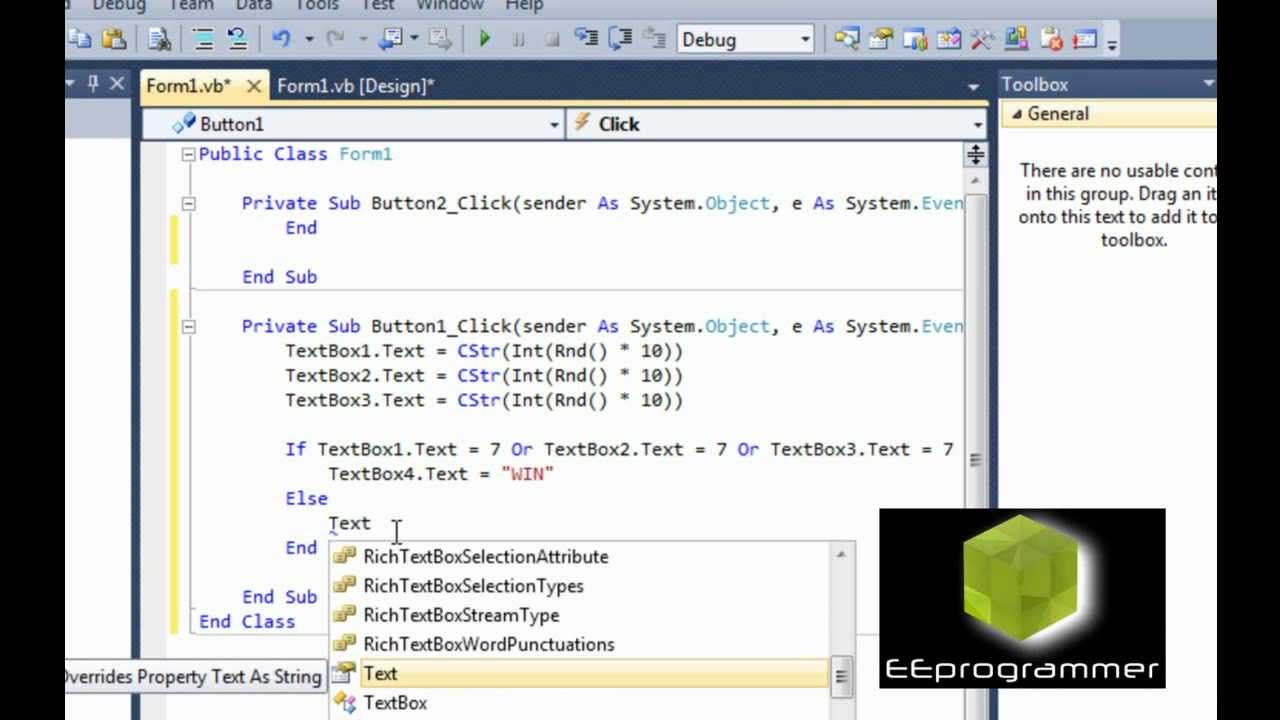
1.2 Advanced Animated Slot Machine This is a more advanced animated slot machine created using Visual Basic 6, an improvement from the simple animated slot machine. The slot machine allows the player to enter the amount to bet. Besides that, we add sound and music to the program. The interface is shown in Figure 1.3 F i gu r e 1.3.
Casino slot machines have a playful nickname - 'one-armed bandit' - because of the single lever it has and our tendency to lose money when we play them.
Ordinary slot machines have only one lever. What if you had multiple levers to pull, each with different payout. This is a multi-armed bandit. You don't know which lever has the highest payout - you just have to try different levers to see which one works best, but for how long? If you keep pulling the low payout lever, you forego more rewards, but you won't know which lever is good until you try sufficient number of times.
Basic Slot Machine Matlab Code Example Pdf
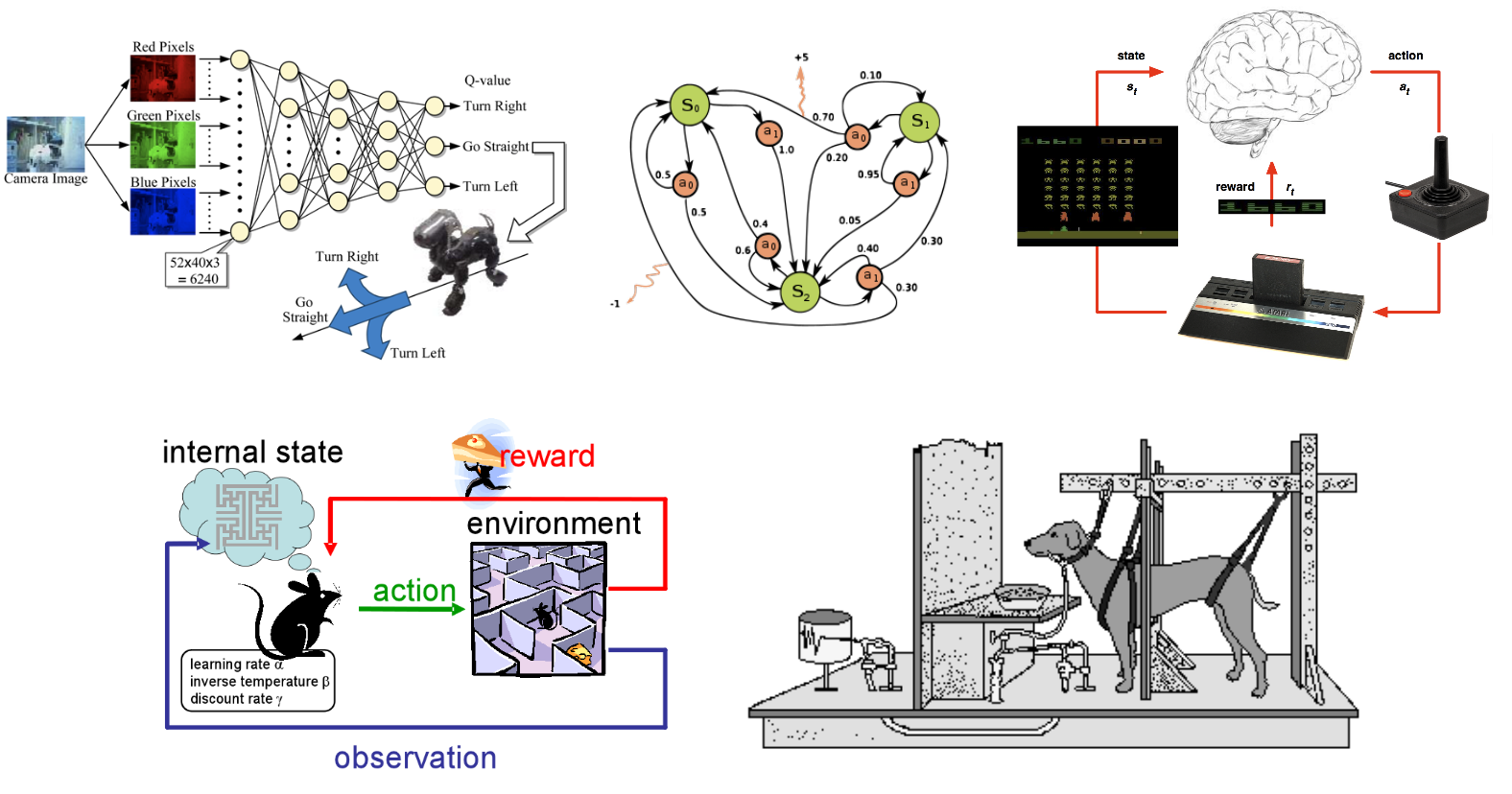
Bandit algorithms are related to the field of machine learning called reinforcement learning. Rather than learning from explicit training data, or discovering patterns in static data, reinforcement learning discovers the best option from trial and error with live examples. The multi-armed bandits focus on the question of exploration vs. exploitation trade-off - how much resources should be spent in trial and error vs. maximizing the benefit. There are many different formulation of bandit problems and strategies to solve them.
- Machine Learning using MATLAB. How to make GUI with MATLAB Guide Part 2 - MATLAB Tutorial (MAT & CAD Tips) This Video is the next part of the previous video.
- The following Visual Basic project contains the source code and Visual Basic examples used for slot machine game. This game includes a graphical slot machine that is created entirely by VB graphics methods such as Circle and Line.
What Is Machine Learning?
Basic Slot Machine Matlab Code Examples
Machine learning teaches computers to do what comes naturally to humans: learn from experience. Machine learning algorithms use computational methods to “learn” information directly from data without relying on a predetermined equation as a model. The algorithms adaptively improve their performance as the number of samples available for learning increases.
Machine learning uses two types of techniques: supervised learning, which trains a model on known input and output data so that it can predict future outputs, and unsupervised learning, which finds hidden patterns or intrinsic structures in input data.
The aim of supervised machine learning is to build a model that makes predictions based on evidence in the presence of uncertainty. A supervised learning algorithm takes a known set of input data and known responses to the data (output) and trains a model to generate reasonable predictions for the response to new data. Supervised learning uses classification and regression techniques to develop predictive models.
Basic Slot Machine Matlab Code Example Python
Classification techniques predict categorical responses, for example, whether an email is genuine or spam, or whether a tumor is cancerous or benign. Classification models classify input data into categories. Typical applications include medical imaging, image and speech recognition, and credit scoring.
Regression techniques predict continuous responses, for example, changes in temperature or fluctuations in power demand. Typical applications include electricity load forecasting and algorithmic trading.
Unsupervised learning finds hidden patterns or intrinsic structures in data. It is used to draw inferences from datasets consisting of input data without labeled responses. Clustering is the most common unsupervised learning technique. It is used for exploratory data analysis to find hidden patterns or groupings in data. Applications for clustering include gene sequence analysis, market research, and object recognition.